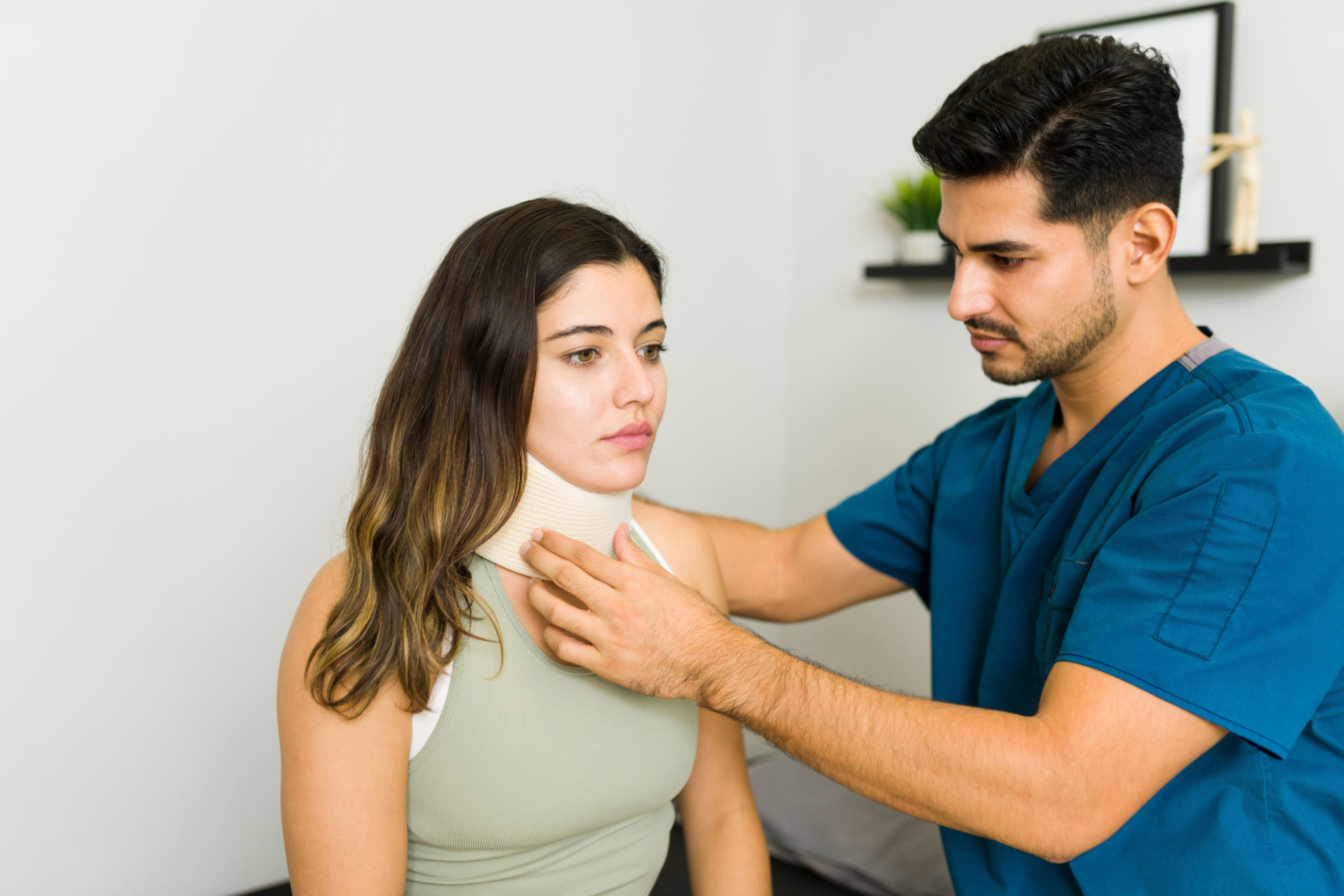
Kinesiology & Active Rehab: Moving Your Way to Recovery
Kinesiology is more than exercise — it's a science-based approach to restoring function, preventing injury, and getting you back to the activities you love.
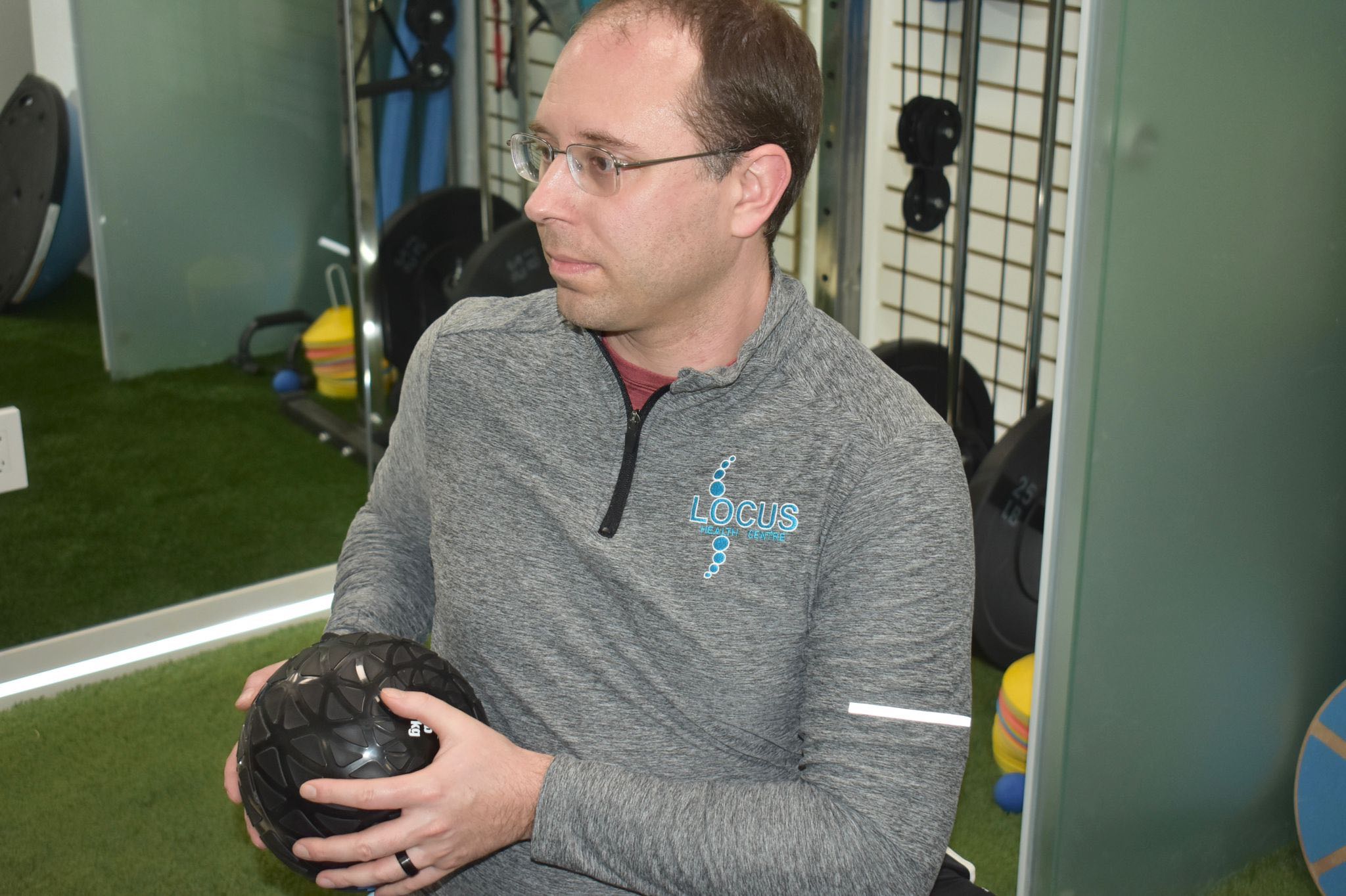
Kinesiology & Active Rehab: Moving Your Way to Recovery
When most people think of recovering from an injury, they think of rest. But research consistently shows that controlled, progressive movement is one of the most powerful tools for healing. That's the foundation of kinesiology and active rehabilitation.
At Locus Health Centre, our Registered Kinesiologists (R.Kin) design individualized exercise programs to help patients recover from injury, manage chronic conditions, and return to the activities they love.
What Is Kinesiology?
Kinesiology is the scientific study of human movement. Registered Kinesiologists in BC are university-trained movement specialists who assess how your body moves and develop exercise-based programs to address dysfunction, pain, and performance limitations.
Unlike personal trainers, Registered Kinesiologists are regulated health professionals with the knowledge to work with injured, post-surgical, and medically complex patients.
What Is Active Rehabilitation?
Active rehabilitation (active rehab) is a structured, supervised exercise program designed to restore function after injury. It's particularly common in the context of motor vehicle accident (MVA) recovery, where ICBC covers active rehab as part of the Enhanced Care model.
Active rehab goes beyond passive treatments like massage or ultrasound — it empowers you to take an active role in your recovery through targeted movement.
What Does a Kinesiologist Treat?
Injury Recovery
- Motor vehicle accident injuries (whiplash, soft tissue injuries)
- Sports injuries (sprains, strains, post-surgical rehab)
- Work-related injuries
- Fractures and joint replacements (post-acute phase)
Chronic Conditions
- Chronic low back and neck pain
- Osteoarthritis
- Osteoporosis
- Fibromyalgia
- Neurological conditions (stroke, Parkinson's, MS)
Prevention and Performance
- Injury prevention programs for athletes and active individuals
- Return-to-sport programs
- Workplace ergonomics and injury prevention
- Fall prevention for older adults
What Does a Kinesiology Session Look Like?
Your first session begins with a thorough assessment:
- Movement screening — identifying limitations, compensations, and asymmetries
- Strength and flexibility testing — establishing your baseline
- Goal setting — understanding what you want to achieve and by when
From there, your kinesiologist designs a program specific to your needs. Sessions are hands-on and supervised — your kinesiologist guides you through each exercise, monitors your form, and progresses the program as you improve.
Sessions typically run 45–60 minutes.
Kinesiology and ICBC
If you've been injured in a motor vehicle accident, ICBC covers active rehabilitation as part of your recovery plan. Kinesiology is pre-approved under ICBC's Enhanced Care model, meaning you can access treatment without upfront costs or lengthy approval processes.
At Locus Health Centre, we direct bill ICBC for all covered kinesiology sessions. Just bring your claim number to your first appointment.
How Is Kinesiology Different from Physiotherapy?
Both professions help people recover from injury, but with different emphases:
- Physiotherapy focuses on diagnosis, manual therapy, and early-stage rehabilitation
- Kinesiology focuses on exercise-based rehabilitation, functional movement, and longer-term conditioning
Many patients work with both — starting with physiotherapy for acute care and transitioning to kinesiology for progressive rehabilitation and return to activity. Our team at Locus Health coordinates care seamlessly between disciplines.
The Evidence for Exercise-Based Rehab
Decades of research support active rehabilitation over passive rest for most musculoskeletal conditions. Exercise-based rehab has been shown to:
- Reduce pain more effectively than rest alone
- Restore strength and range of motion faster
- Prevent re-injury by addressing underlying weaknesses
- Improve mental health and quality of life during recovery
- Reduce the likelihood of chronic pain developing after acute injury
Book Your Kinesiology Assessment
Ready to take an active role in your recovery? Our Registered Kinesiologist at Locus Health Centre in East Vancouver is accepting new patients. Book online or call us at (604) 716-6073.
Explore Topics
Written by
Locus Health Centre
Content creator and writer sharing insights and stories.